Astra
Believes
Remembers
Life story
Persistent cognition infrastructure for game characters
Build characters that remember, change and remain coherent across long-running worlds.
LuminidsAI is building CRI Platform: a reusable runtime and developer toolchain for persistent character identity, memory, beliefs, relationships and expectations.
Built first inside Luminids, our own game, CRI is being productised for game teams where character continuity is already a production problem.
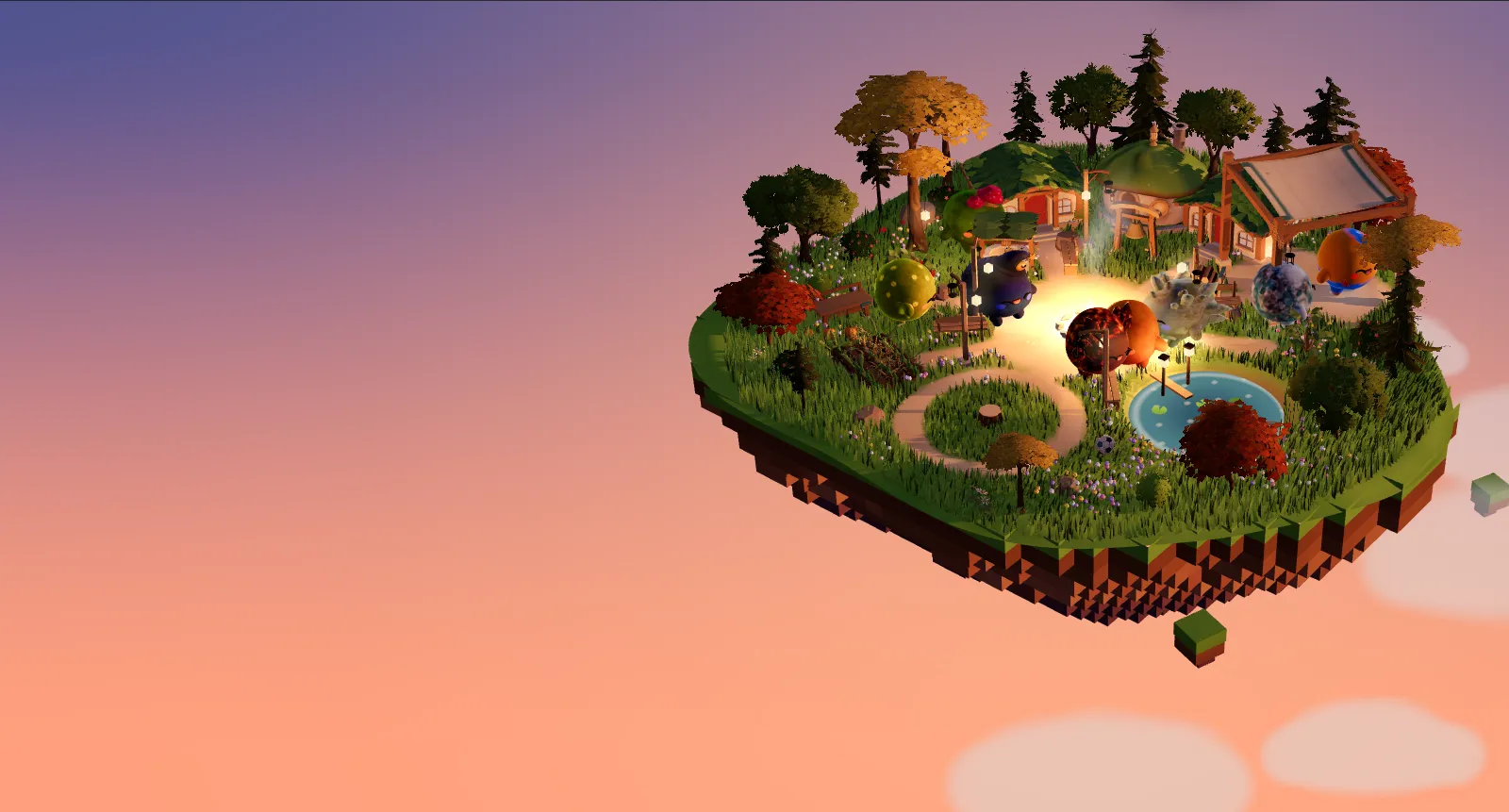
Each luminid acts on what it has seen, not on what is true. Move the berries, or open one to see what it believes.
With JavaScript on, this colony runs live. You can move the berries, start a chase or bring a storm, and see which luminids notice.
A simplified model made for this page. See it recorded in the game
01 The problem
Characters can talk. Keeping them coherent over time is still bespoke.
Studios building persistent characters still have to connect memory, relationships, save state, game events, model boundaries, authoring, debugging and behavioural testing.
That infrastructure is expensive to build, difficult to keep coherent and hard to debug.
The player expectation is much simpler: “My relationship with this character actually changed them.”
Quill knows he is safe. Astra doesn’t. CRI preserves that difference.
CRI Platform is being built to make that infrastructure reusable: a runtime plus tools to author, inspect, replay and test character state.
The next step is to validate whether other studios will adopt and pay for it, starting with teams making life and colony sims, systemic RPGs, social sandboxes and companion-led games.
02 The architecture
The game knows what happened. CRI keeps what this character knows.
CRI is character AI middleware: memory, beliefs and relationships that stay with each character. Your choice of model gives that state a language.
| Character architecture | For each interaction Prompt and context layer | Across the character’s life CRI character state |
|---|---|---|
| Continuity | Continuity Receives history as context for an interaction. | Continuity Keeps history across interactions and saves. |
| Knowledge | Knowledge Works with the context you supply. | Knowledge Tracks the evidence that reaches each character. |
| Model role | Model role Interprets character context to generate expression. | Model role Holds the state a model gives language to. |
03 The proof
Remove one belief. Replay the same event. The response disappears.
Astra formed a belief through experience. We restored the same character with that belief removed and replayed the scheduled catch.
Her previous escape memories remain. Clear the belief before the shared event and the response changes.
That is the kind of causal link CRI is designed to make visible: experience changes the character, and developers can inspect the path.
The second catch, with and without her belief.


04 The product
Give characters a history. See why they changed. Test what caused it.
CRI Engine carries persistent character state. CRI Studio, Bench and Trace form the developer workflow around it: author, inspect, intervene, replay and test.
Core CRI mechanisms run inside Luminids today. The reusable platform is the productisation step that takes those mechanisms beyond our own game.
What CRI Platform is made of
- CRI Engine Runtime for persistent character state.
- CRI Studio Author and inspect character state.
- CRI Bench Intervene on state, replay situations and test what changes.
05 Strategic partnerships
Supported by NVIDIA and Anthropic.
- NVIDIA Startup programme Visit NVIDIA (opens nvidia.com)
- Anthropic Startup programme Visit Anthropic (opens anthropic.com)
06 Built in Luminids
Luminids is customer zero, not product-market fit.
It gives CRI a real production environment. The next proof is external adoption.
Luminids tests CRI against real saves, player behaviour, partial information, changing relationships and a real game’s performance budget.
It does not yet prove portable integration, willingness to pay or repeatable sales. That is the next stage of the company.
Artificial characters should have a point of view.
- 1,000+ playtesters have played the game in testing
- 335k Steam store visits while the game is listed as coming soon

Building a life simulation, colony simulation, systemic RPG, social sandbox or companion-led game? Talk to us about CRI.