Company
Building CRI in a real game, then taking it beyond our own.
LuminidsAI was founded by Nick Jacob, a technology leader and architect with a background across software engineering, cloud platforms and large-scale technology programmes. He built Luminids and the CRI architecture; the next stage is building the team that can turn it into an external developer platform.

The game, September 2026
- 1,000+ playtesters have played the game in testing
- 335k Steam store visits while the game is listed as coming soon
Luminids Studios, the game studio, was nominated for UK StartUp of the Year.
01 Customer zero
Why Luminids is customer zero.
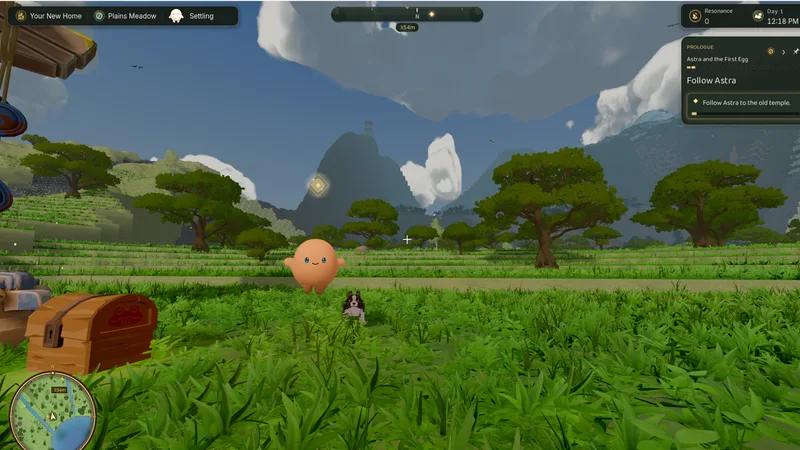
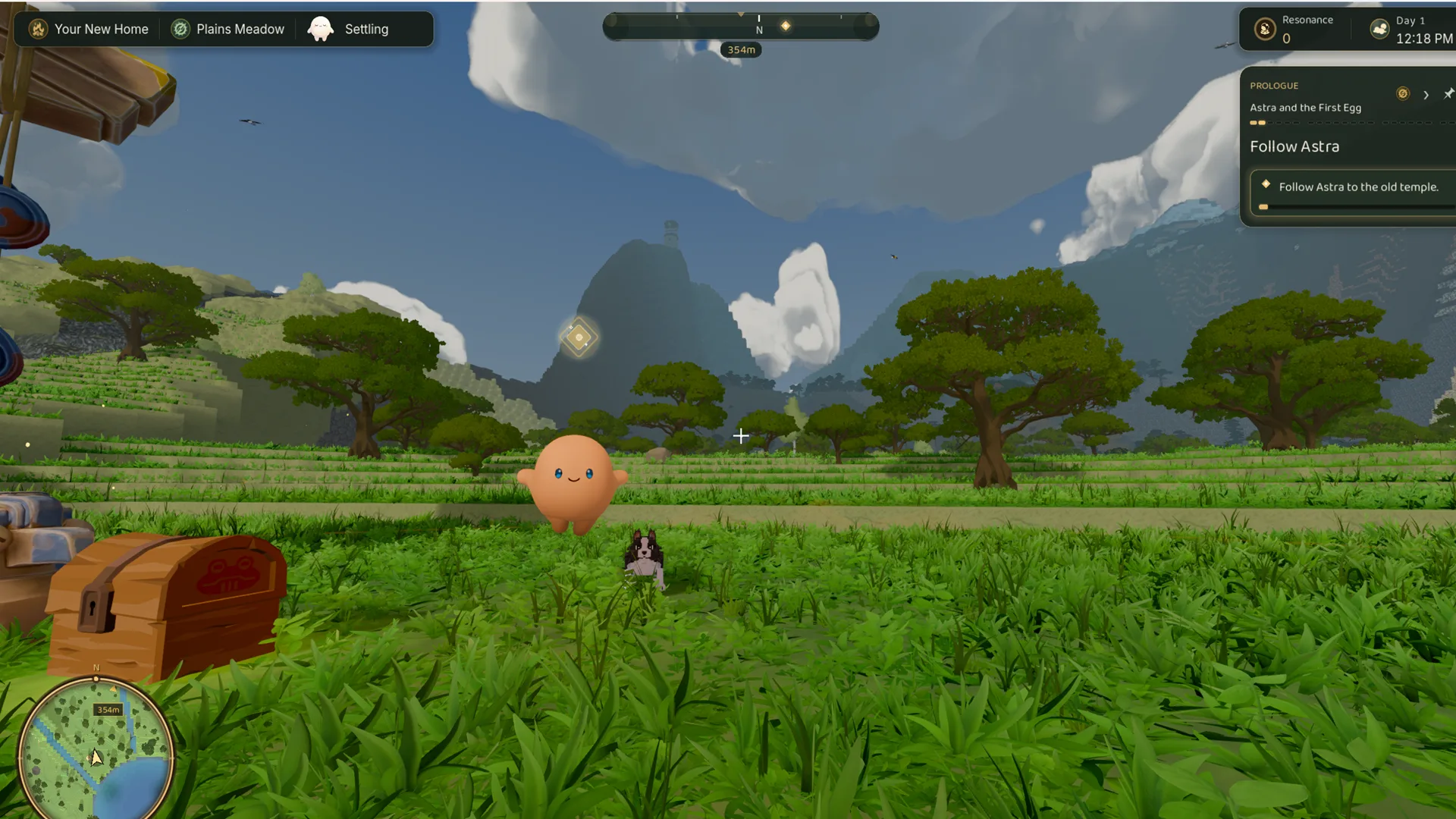
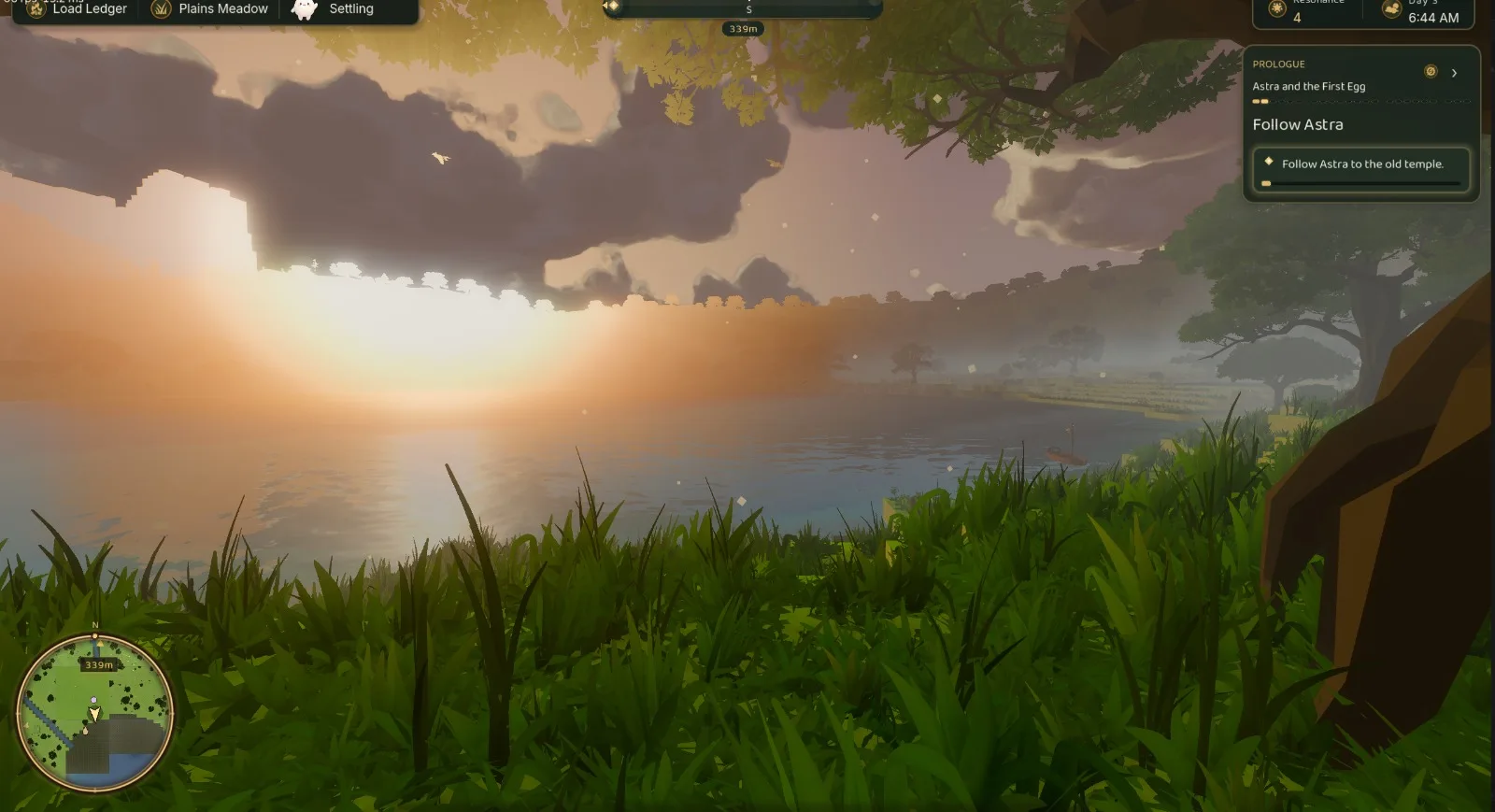
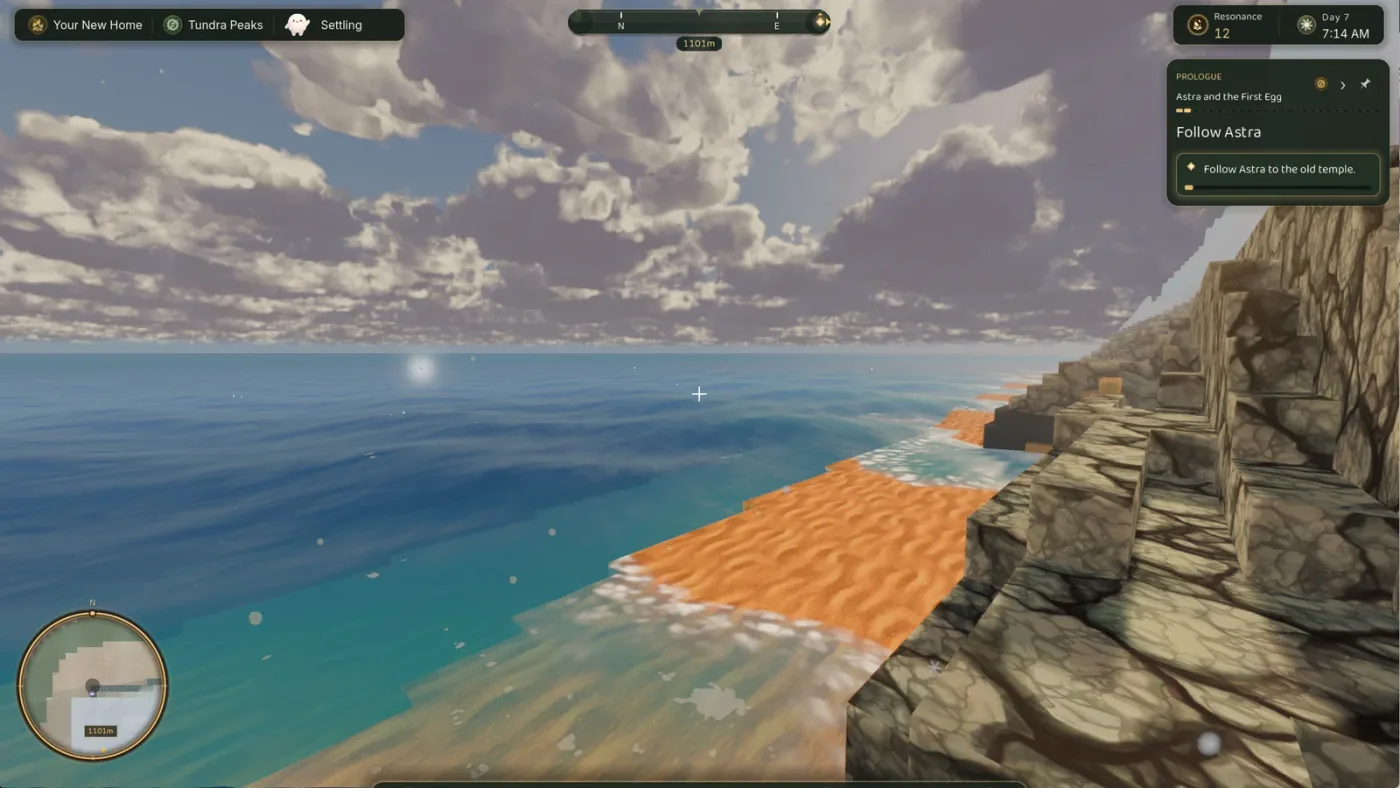
Luminids is a cozy colony-building sandbox, in development for PC. It is also the hardest test we could have chosen.
A standalone character demonstration can hide the hard parts. Luminids cannot. Characters persist for hours, share a colony, save and load, compete for frame time, and meet players who do not follow a script.
So Contextual Relational Intelligence (CRI) is built here first. Shape the land, build a settlement and guide a colony of small creatures, then step into first person and explore the world at their level. Every one of those demands is a constraint the architecture has to survive.
02 The founder's words
The question behind the company.
Can a simulated world produce genuinely different experiences for its inhabitants? What each character has seen, what they believe happened, who they trust, what they expect from others, and how those experiences change the decisions they make.

Why this problem
Nick’s background includes technology and programme leadership across Citrix, Centrica / British Gas, Merck Animal Health and UK government. Building Luminids exposed a recurring systems problem: how do you let many persistent characters carry different histories and points of view without turning the game into a tangle of bespoke logic?
CRI grew from solving that problem inside the game.
03 How we work
Three principles the company is run on.
These are the principles behind how we build the company and the platform.
-
One
Build in reality.
Prove the architecture inside a game that has to ship, under saving, a frame budget and real players. What survives there is what goes into the platform.
-
Two
Make causality inspectable.
A developer should be able to see why a character’s state changed, follow the response back to the evidence behind it, and test whether changing the cause changes the result.
-
Three
Keep the character portable across models.
Expression can change, and the model can change, without losing the character’s history.



04 What happens next
The next proof is outside our own game.
Luminids is customer zero. The £1.5m pre‑seed, with SEIS and EIS advance assurance, is designed to move CRI from internal production technology to external commercial validation.
The round is designed to fund four transitions: extract the portable Engine, productise Studio / Bench / Trace, integrate CRI into external environments, and validate it with design partners, pilots and first paid deployments.
If that works, the larger opportunity is persistent individual context beneath whatever reasoning or language model comes next. The model can change. The individual’s history remains.
First team to build
-
Platform / Runtime Engineer
Portable CRI Engine, SDK / interface and performance
-
Developer Tools Engineer
Studio, Bench and Trace
-
Cognitive Systems / Applied AI Engineer
Beliefs, relationships, expectations, appraisal and behaviour
-
Developer / Solutions Engineer
External integrations and design partners